We use cookies to optimize site functionality and provide the best possible experience.
View our new Privacy and Protection of Personal Data here.
Accept Settings
< ALL Technologies

Wireless MBus (WMBus)

Wireless MBus (WMBus)
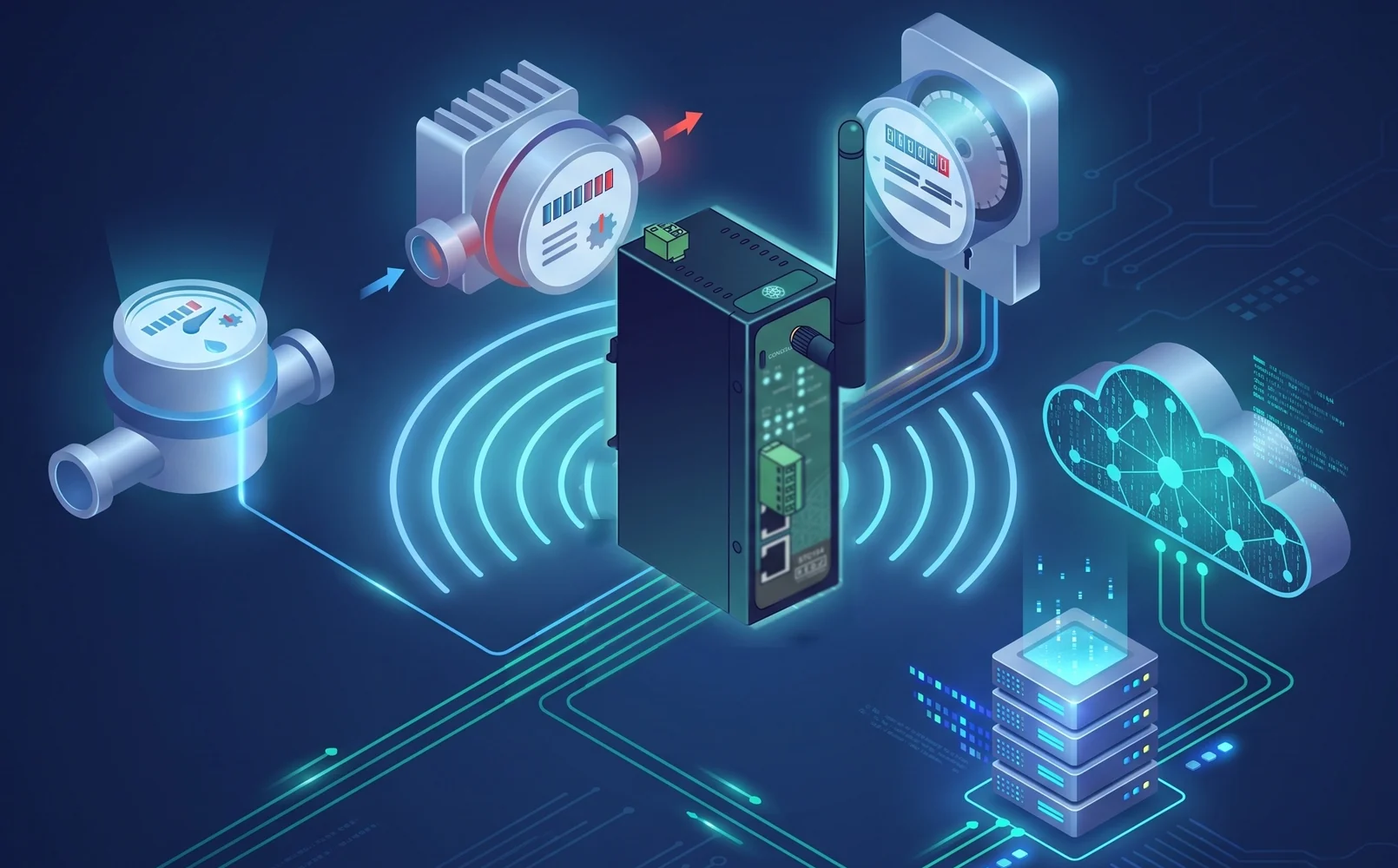
Remote metering lets utilities monitor, analyse and control the consumption of water, heat and electricity. Wireless M-Bus (WMBus) is a radio standard made for this job: meters send their readings over the air, so nobody has to visit the meter and no communication cable has to be laid. Compared with manual readings or wired meter networks, this is faster, takes less work and avoids reading errors. A gateway or concentrator collects the telegrams of many meters and passes the values on to the systems that store and analyse them, so utilities always have current consumption data.

Wireless M-Bus works in the 868 MHz band. Meters send short radio telegrams at set intervals in S, T or C mode; the telegrams are usually AES-128 encrypted, so only a receiver that holds the meter's key can read the values. The Open Metering System (OMS) specification defines how the values are coded, so meters of different makes can be read by the same gateway.

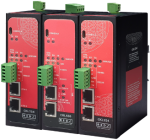
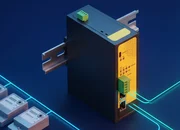
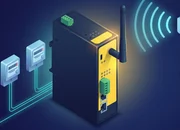
STG Series gateways sit at the centre of such a network: they receive the telegrams, decrypt and map up to 128 meters (STG154 Lite: 20) and offer the values as Modbus TCP / RTU registers and MQTT messages; they also work as a transparent gateway or as a repeater. Meters heard on the air are listed on the web interface and can be added without typing.

Products that utilize Wireless MBus (WMBus) technology

STG Series

❚
WMBus (Wireless MBus) - Modbus Protocol Gateway with MQTT

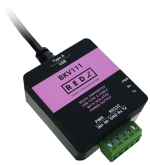
BKV Series

❚
868MHz WMBus (Wireless MBus) Converter
< ALL Technologies
LKM Series Electricity Meter Protocol to Modbus Protocol Gateways with MQTT (and LoRaWAN)
STG Series WMBus (Wireless MBus) - Modbus Protocol Gateway with MQTT
TLM Series LoRa Modems and LoRaWAN EndNode Modems
CKL Series Modbus TCP and RTU Gateways and Serial to Ethernet Gateways
BSB Series Industrial Unmanaged Ethernet Switch (with Broadband Power Line)
KMK Series Optical Probes for Energy Meters
HUR Series Modbus TCP and RTU Remote I/O Devices with MQTT (and LoRaWAN)
BKV Series Industrial Converters and USB Tools
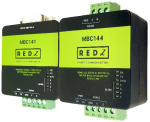
MBC Series IEC62056-21 Protocol Auto Baud Changer
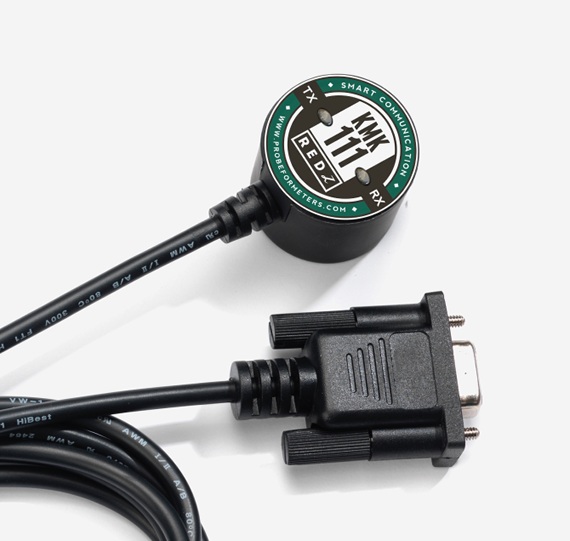
KMK Series Optical Probes for Energy Meters
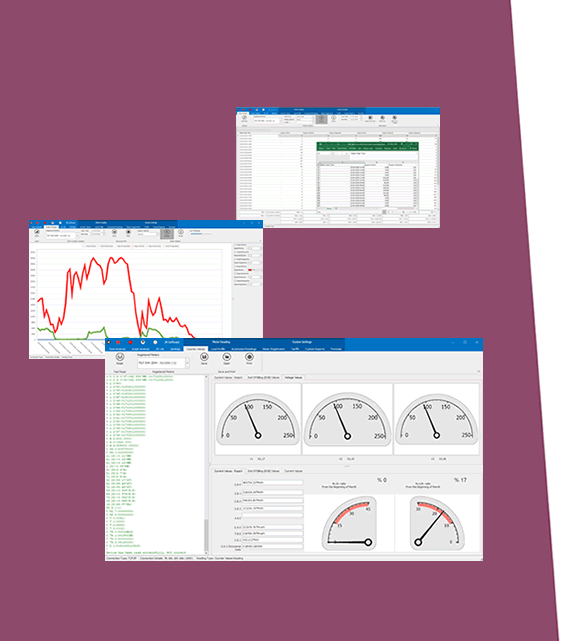
REDZ Software Solutions
LoRaWAN
LoRaWAN
In today's rapidly digitizing world, IoT (Internet of Things) devices and applications are becoming increasingly prevalent. In this context, long-range wireless communication technologies play a significant role. One such technology that stands out is LoRa, which offers an innovative solution for low-power, long-range wireless communication.
MQTT
MQTT
As the Internet of Things (IoT) continues to grow, the demand for efficient, lightweight, and reliable communication protocols becomes essential. One of the most popular protocols meeting these demands is MQTT (Message Queuing Telemetry Transport).
Broadband Power Line (BPL)
Broadband Powerline Technology (BPL), also known as Powerline Communication (PLC), represents a revolutionary approach to data transmission, leveraging the existing electrical power infrastructure to deliver broadband internet connectivity.
Wireless MBus (WMBus)
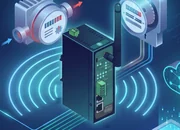
In an era defined by connectivity and data-driven decision-making, the need for efficient and reliable metering solutions has never been greater. Enter Wireless M-Bus (Meter-Bus) technology, a versatile and robust platform designed to revolutionize remote meter reading and data communication in utility management systems.
IEC62056-21 (for Electricity Meters)
IEC 62056-21 is an international standard for communication with electricity meters. Developed by the International Electrotechnical Commission (IEC), this protocol standardizes the way data is exchanged between meters and various devices or systems, ensuring interoperability and efficient data management.
DLMS/COSEM (for Electricity Meters)
DLMS/COSEM (Device Language Message Specification / Companion Specification for Energy Metering) is the global standard for smart energy metering. It provides a highly secure, interoperable framework for reading and managing energy data across diverse utility networks.
P1 Companion Standard (for Electricity Meters)
Smart energy meters have become essential in monitoring and controlling energy usage. To facilitate better integration, communication, and functionality of these smart meters, standards are crucial. One such standard, particularly relevant in Europe, is the P1 Companion Standard.
Modbus RTU
Modbus RTU
Modbus RTU is a widely recognized and utilized communication protocol in the field of industrial automation. Developed by Modicon (now Schneider Electric) in 1979, it was designed to facilitate communication between various electronic devices, primarily programmable logic controllers (PLCs).
Modbus TCP
Modbus TCP
Modbus TCP, also known as Modbus TCP/IP, is a widely adopted communication protocol in the industrial automation sector. It was developed to enable Modbus communication over Ethernet networks, combining the reliability and simplicity of the Modbus protocol with the versatility of Ethernet.
LoRa RF Communication
LoRa stands for Long Range and is a proprietary wireless modulation technique developed by Semtech. Essentially, LoRa is the physical layer, or the hardware, that allows long-range communication between devices.
MBus
MBus
M-Bus (Meter-Bus) is a robust European standard specifically designed for the remote reading of utility meters, such as electricity, gas, water, and heat. It utilizes a simple, polarity-independent two-wire system that transmits both data and power over long distances, making it highly cost-effective and immune to industrial noise.